Applying for a concealed carry permit is an empowering step for any responsible gun owner.
Whether you’re applying for the first time or renewing your license, the process is a bit more involved than just filling out a form. Many people make simple, avoidable mistakes that can delay their applications or even lead to denial.
At Concealed Coalition, we’ve helped train over a million Americans in safe and lawful concealed carry practices. In this guide, we’ll walk you through the some of the most common mistakes people make when applying for a concealed carry permit and how you can avoid them.
1. Not Understanding the Laws in Your State
One of the most frequent — and dangerous — mistakes is assuming that concealed carry laws are the same across all states. In reality, every state has its own regulations regarding who can carry, where you can carry, and what kind of training is required.
Why It Matters:
- State-specific requirements can affect your eligibility, approved firearms, and carry restrictions.
- Reciprocity laws mean your permit may not be valid across state lines unless you research where it’s honored.
How to Avoid:
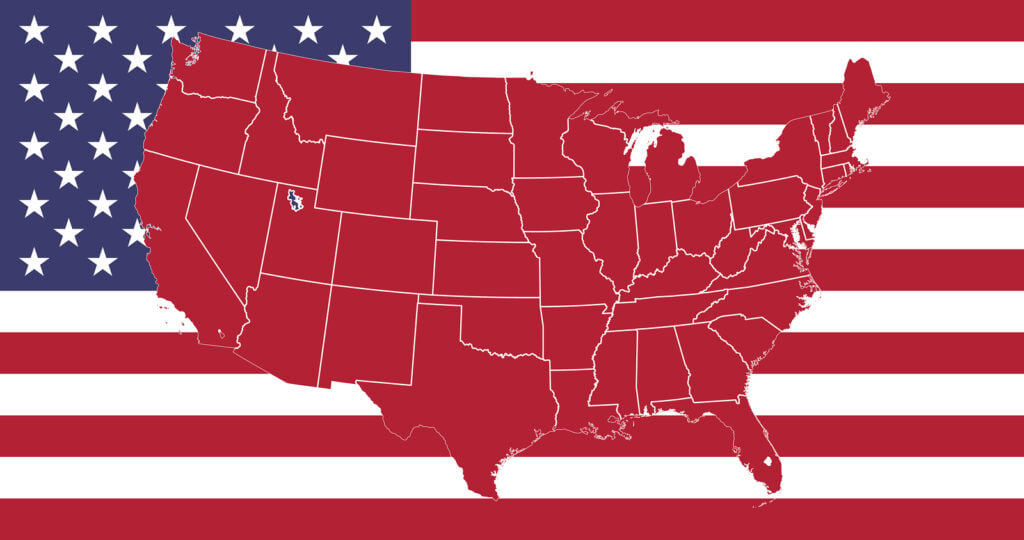
- Use a trusted resource like Concealed Coalition’s State Reciprocity Map to understand the rules in your state.
- Attend a state-specific training course that covers local laws and responsibilities.
2. Skipping or Failing to Complete Required Training
Many states require some form of firearms training, yet some applicants assume that basic gun ownership is enough. Others may rush through a course without truly understanding the material, putting themselves and others at risk.
Why It Matters:
- States often require proof of training to issue a permit.
- Poor preparation can lead to test failure or unsafe handling practices later on.
How to Avoid:
- Choose a reputable, certified instructor or online training program (depending on your state requirements).
- Concealed Coalition offers concealed carry permit training, matched to your state’s training requirements, for your permit certification.
3. Using Incorrect or Incomplete Application Forms
It sounds obvious, but you’d be surprised how many applications are denied or delayed due to missing signatures, outdated forms, or incomplete background information.
Why It Matters:
- Incorrect paperwork leads to processing delays or outright rejection.
- Some states require specific documentation formats or updated forms.
How to Avoid:
- Download the latest application directly from your state’s official website.
- Double-check all personal details (SSN, address, ID expiration) before submission.
4. Forgetting to Submit Required Documentation
Even when the form is correct, applicants often forget to attach important documents like proof of residency, driver’s license copies, fingerprints, or training certificates.
Why It Matters:
- Missing documents result in application holds or denials.
- Some states have strict deadlines for completing the entire application package.
How to Avoid:
- Use a checklist before submitting your application.
- Submit your training certificate, proof of identity, and passport photos as required.
5. Assuming a Permit Is Not Necessary (Constitutional Carry Confusion)
With more states passing Constitutional Carry laws, some gun owners mistakenly believe a permit is no longer useful or necessary.
Why It Matters:
- Even in Constitutional Carry states, a permit may still be required for:
- Carrying across state lines
- Bypassing background checks when purchasing firearms
- Legal protection in gray-area scenarios
How to Avoid:
- Always check your state’s current legislation.
- A concealed carry permit gives you legal standing and peace of mind, even in permitless states.
6. Providing False or Incomplete Background Information
Failing to disclose previous convictions, mental health history, or restraining orders can result in a denied application — and potentially criminal charges.
Why It Matters:
- State agencies conduct thorough background checks.
- Any attempt to conceal disqualifying information could jeopardize future firearm ownership rights.
How to Avoid:
- Be honest and thorough in your disclosures.
- If you’re unsure about your record, run your own background check in advance.
7. Not Practicing Proper Firearm Safety
Your conduct with a firearm — even during training — reflects your commitment to responsible gun ownership. Unsafe behavior during a class or qualifying session can be grounds for rejection.
Why It Matters:
- Instructors may report unsafe behavior to local authorities.
- Demonstrating poor control or judgment undermines your credibility as a permit holder.
How to Avoid:
- Practice regularly at a range before your qualification session.
- Learn and follow the four fundamental rules of firearm safety.
8. Missing the Renewal Deadline
Many people assume their concealed carry permit is valid indefinitely. In most states, permits expire every 2 to 5 years and must be renewed — often with new training or updated documentation.
Why It Matters:
- An expired permit means you’re carrying illegally.
- Lapsed permits may require starting the process from scratch.
How to Avoid:
- Mark your renewal date in your calendar.
- Renew your training, as necessary, through Concealed Coalition.
9. Choosing the Wrong Type of Permit
There are different types of firearm licenses: concealed carry, open carry, and in some states, provisional permits. Not knowing which one applies to you can lead to incorrect applications.
Why It Matters:
- Applying for the wrong permit can cause confusion and delay.
- You may miss out on reciprocity if you choose a restricted option.
How to Avoid:
- Choose a permit that matches your carry style and travel needs.
- Get help from Concealed Coalition’s experts to determine the best option.
10. Ignoring Mental Health and Firearm Responsibility
Even if not legally disqualifying, untreated mental health issues or a history of emotional instability can be flagged by evaluators. A good training program encourages you to reflect on your readiness.
Why It Matters:
- Responsible gun ownership starts with emotional maturity and safety awareness.
How to Avoid:
- Be open about any concerns and seek help if needed.
- Concealed Coalition promotes firearm ownership as a responsibility, not a right to take lightly.
11. Not Keeping a Copy of Your Permit and Documents
Once approved, many forget to save digital or physical copies of their paperwork. If your permit is lost, stolen, or challenged, you may need documentation to prove your right to carry.
Why It Matters:
- Backup documents protect you during travel, police interactions, or renewals.
How to Avoid:
- Keep both physical and digital copies stored securely.
- Use a cloud backup service or secure folder on your mobile device.
Why Training with Concealed Coalition Makes All the Difference
At Concealed Coalition, we go beyond simple training. We’ve created a national network of certified instructors, local resources, and legal compliance guidance to make sure every applicant is prepared, informed, and empowered.
Here’s how we support you:
- Live instructor-led classes
- State-specific law training
- Guided application assistance
- Customer support from real people
- Access to future refresher courses
Over 1 million Americans have chosen us to help them through the concealed carry process — and with our 4.6-star rating across multiple review platforms, the numbers speak for themselves.
Frequently Asked Questions About the Most Common Mistakes People Make When Applying for a Concealed Carry Permit
How long does it take to get a concealed carry permit?
Processing times vary by state. Some states also have waiting periods or appointment backlogs.
Is online concealed carry training valid?
In many states, yes. Concealed Coalition provides state-approved online courses with live instruction in applicable states.
Do I need to own a gun to apply for a permit?
Most states do not require gun ownership at the time of application, but some do require a live-fire qualification with a firearm.
Can I carry in other states once I’m approved?
Only if your state permit has reciprocity with the other state. Use our Reciprocity Map to check.
What if my application is denied?
You may be able to appeal or reapply after addressing the issue. Concealed Coalition can help identify why and guide your next steps.
Final Thoughts: Start Smart, Stay Safe
Applying for a concealed carry permit is a big step, and doing it right from the start makes all the difference.
By avoiding the most common mistakes people make when applying for a concealed carry permit on your application, you can make the whole process smoother and ensure you’re following all the legal requirements. With the right training and information, you can carry with confidence.
A trusted partner like Concealed Coalition is here to provide the support and guidance you need to carry legally and safely, wherever your journey takes you.