From Behind the Holster, the Concealed Coalition podcast. Hosted by Jody Picou, with Matt Wheeler and Yates Crawford.
Reciprocity Is the Most Misunderstood Word in Concealed Carry
Most people who carry a firearm know their home state’s laws reasonably well. Far fewer know what happens the moment they cross a state line.
Reciprocity — the term for one state recognizing another state’s concealed carry permit — is one of the most consequential and least understood concepts for gun owners in the United States. Getting it wrong isn’t a paperwork issue. It’s a criminal charge in an unfamiliar state.
In this episode of Behind the Holster, Jody Picou, Matt Wheeler, and Yates Crawford break down what reciprocity actually means, why “constitutional carry” and “permitless carry” aren’t the same thing in practice, why non-resident permits are more valuable than most people realize, and why the only source you should trust for current reciprocity information is a state’s official .gov website.
The full conversation — and more — in the episode below.

What Reciprocity Actually Means
At its simplest: your state issued you a concealed carry permit. Reciprocity means another state agrees to honor that permit and allow you to carry within its borders under its laws.
But reciprocity agreements change. States add and remove reciprocal relationships regularly — sometimes without widely publicizing the change. A map that was accurate three months ago may not be accurate today. Jody has seen reciprocity changes go months without being reflected on state websites, let alone in the news.
The practical implication: if you’re planning to travel across state lines with a firearm, checking a reciprocity map is a starting point — not a final answer. The final answer comes from reading the actual statute on the state’s official .gov website, or calling the state police or attorney general’s office directly.
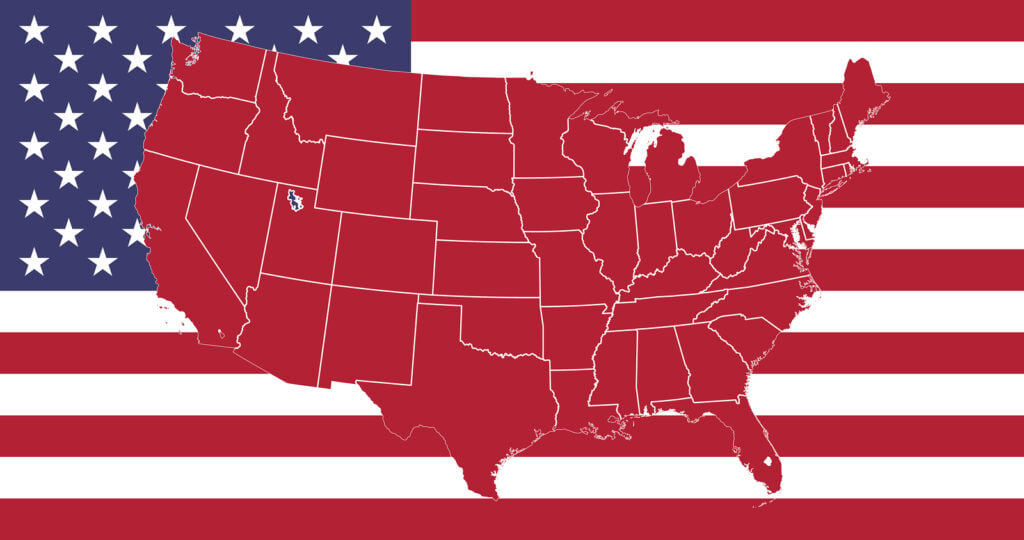
Concealed Coalition’s reciprocity map is a useful starting point — but always verify with official state sources before you travel.
Constitutional Carry vs. Permitless Carry: Why the Words Matter
“Constitutional carry” is a phrase that gets thrown around constantly in the firearms community. Yates Crawford makes a careful distinction that most people miss.
When someone says “constitutional carry,” they usually mean carrying based on the U.S. Constitution’s Second Amendment — the idea that no state-level permit should be required anywhere. But when states use the term, they typically mean their own state constitution allows permitless carry within state borders.
Yates has shifted to using “permitless carry” in his instruction for exactly this reason: it’s specific, it refers to the state you’re in, and it doesn’t create the false impression that a U.S. Constitutional right to carry applies equally in all 50 states.
Why You Should Get a Permit Even in a Permitless Carry State
Several states now allow residents to carry without a permit. The hosts’ unanimous position: get the permit anyway.
The reasons go beyond reciprocity. Matt Wheeler explains that when a law enforcement officer pulls you over and you hand them a concealed carry permit, it tells them something immediately: you’ve passed a background check, you haven’t been adjudicated mentally unfit, you have no felony record, and you’re not in active criminal jeopardy. You become less interesting, less threatening, and the interaction typically goes more smoothly.
More practically, a permit gives you legal standing that permitless carry doesn’t. Several states are now tightening training requirements specifically because they’ve seen an increase in incidents involving carriers who had no formal instruction.
The Value of Non-Resident Permits
Non-resident permits are one of the most underutilized tools in the concealed carry space.
Arizona‘s non-resident permit is among the easiest to obtain and offers reciprocity with a significant number of states. North Dakota‘s non-resident permit has some of the broadest reciprocity in the country. California — surprisingly — offers a non-resident permit that allows carry within the state, something that previously wasn’t possible for most out-of-state gun owners.
Check concealedcoalition.com for current non-resident permit courses and availability.
Is 50-State Reciprocity Coming?
Jody believes 50-state reciprocity is inevitable. His analogy: a driver’s license issued in rural South Carolina works in New York City. A South Carolina concealed carry permit doesn’t. That inconsistency, he argues, doesn’t make logical sense.
The path to 50-state reciprocity would require every state to agree on a minimum training standard. That’s the obstacle: high-regulation states like California and New York require 16–18 hours of training with live fire. Permitless carry states have no training requirement at all.
Jody’s proposed solution: a tiered approach, modeled on driver’s licensing. A standard permit gets you standard access. A higher-level permit — requiring more hours and more rounds downrange — gets you enhanced access, including all 50 states. He’d take that course.
The Media Problem
The episode closes with a story that illustrates a pattern. Jody came across a headline: “Man who shot home invaders in self-defense, sentenced to 10 years.” He clicked on it. The man was a convicted felon. The “home invaders” were there to steal drugs and cash. The sentence had nothing to do with the shooting — it was for the underlying felony.
The headline was designed to discourage law-abiding gun owners from believing they can defend themselves. Reading it without clicking — and most people do — leaves a false impression. Don’t read headlines about firearms. Read the story. Check the facts. Form your own view from the actual data.
Frequently Asked Questions
What is concealed carry reciprocity?
Reciprocity means one state recognizes another state’s concealed carry permit and allows you to carry within its borders under its laws. Agreements vary by state and change frequently.
How do I find out if my permit is valid in another state?
Start with a reciprocity map — Concealed Coalition’s map is a good reference — but always verify by reading the statute on the state’s official .gov website or calling the state police directly before you travel.
What’s the difference between constitutional carry and permitless carry?
In practice they’re often used interchangeably, but they mean different things. Permitless carry means a specific state allows carry without a permit within its borders. Constitutional carry in the broadest sense — carry under the U.S. Constitution with no state restrictions — doesn’t currently exist anywhere in the country.
Should I get a permit if my state allows permitless carry?
Yes. A permit provides reciprocity benefits in other states, signals your legal standing to law enforcement during traffic stops, and demonstrates that you’ve completed training. States are increasingly tightening requirements in response to incidents involving untrained carriers.
What is a non-resident permit and why should I get one?
A non-resident permit is issued by a state you don’t live in, giving you carry rights in that state and any states that recognize it. Arizona, North Dakota, and Florida all offer popular non-resident permits with broad reciprocity.
Could 50-state reciprocity ever happen?
Jody believes it’s coming. The primary obstacle is getting high-regulation and low-regulation states to agree on a minimum training standard. One possible path: a tiered permit system, similar to a CDL, where additional training unlocks additional carry rights nationwide.
Conclusion
Reciprocity isn’t a technicality. It’s the difference between legally protecting yourself while traveling and finding yourself charged with a felony in a state you drove through on the way to a family vacation.
Know your home state laws well. Know the laws of states you travel to. Verify everything from official government sources. And if you’re serious about carrying responsibly across state lines, a non-resident permit or two is worth the investment.
The full episode is available exclusively to Concealed Coalition YouTube channel members for as little as $3.99/month. Get access here. You can also find concealed carry training near you or pick up range gear and essentials in the store.